Develi Cıvıklısı
Unique to Develi
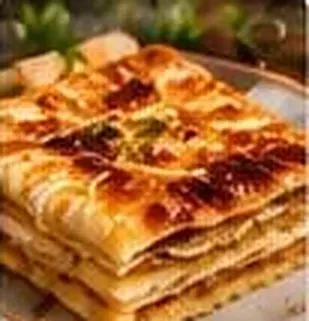
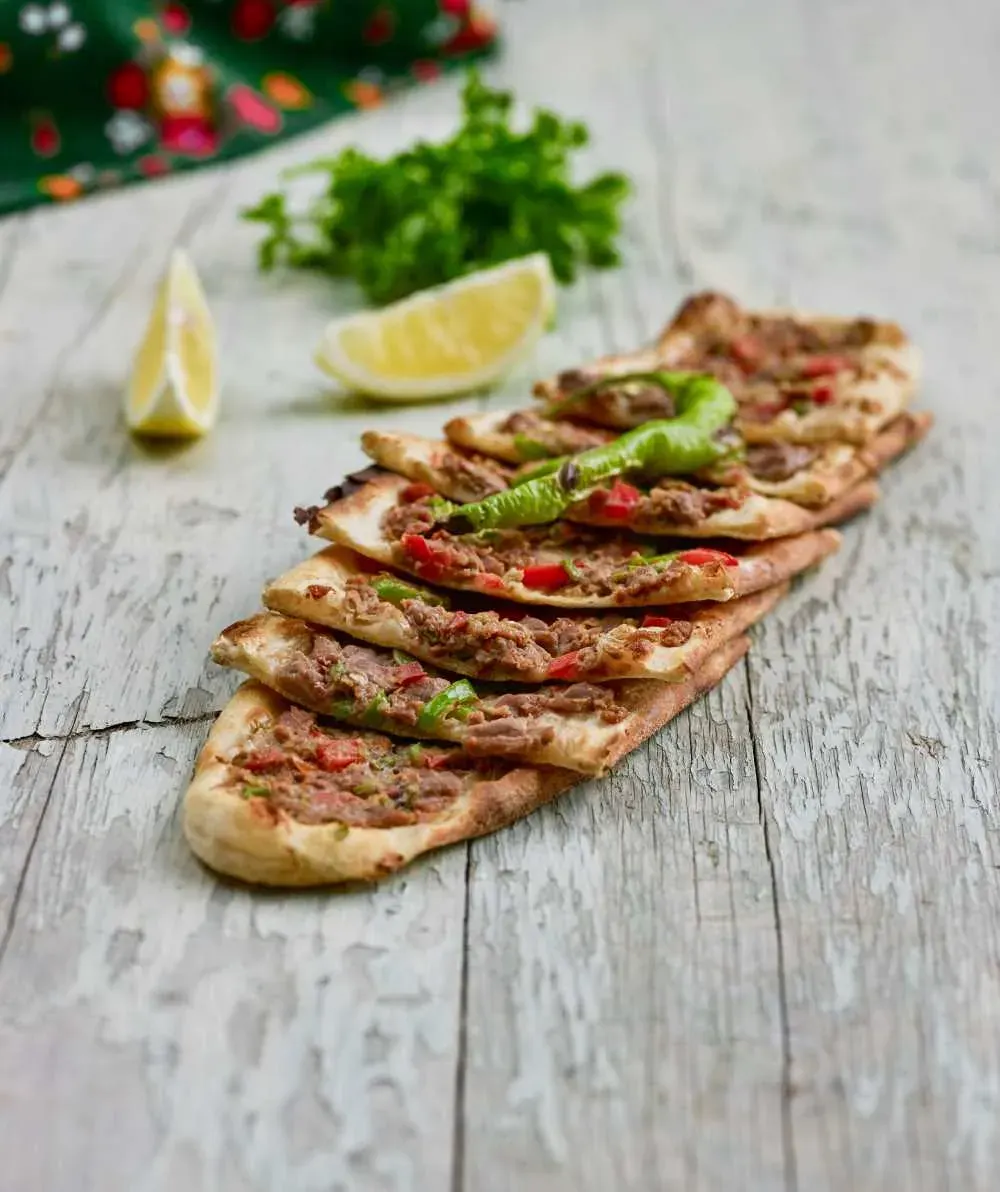
Develi cıvıklısı is a historic type of pide with registered geographical indication status, unique to Kayseri's Develi district. It is made by baking zırh-chopped pieces of beef or lamb, tomatoes and peppers on a thin layer of dough over an oak-wood fire.
Where to eat itOne of the masterpieces of Kayseri cuisine, Develi cıvıklısı is a regional delicacy that has been prepared by traditional methods in the Develi district for centuries and is registered as a geographical indication by the Turkish Patent and Trademark Office.
What Makes Develi Cıvıklısı Special and How It Differs from Minced-Meat Pide
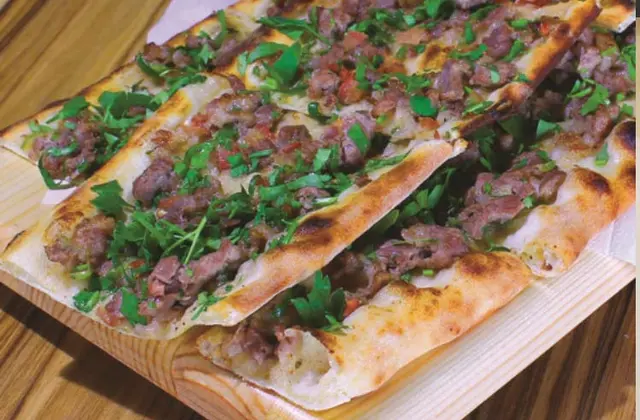
Zırh-Chopped Meat: When making cıvıklı, the meat is never put through a mincer. Beef or lamb taken from the rib and loin is chopped into tiny cubes between two blades (the zırh).
Melting Fat and "Cıvıklık": The suet added to the mixture and the meat's own fat melt in the oak-fired stone oven, giving the topping a juicy, runny ("cıvık") consistency. The dish owes its name to this fluid, flavourful texture of its topping.
Thin, Crispy Dough: The leavened dough is rolled out paper-thin, topped with the mixture of zırh-chopped meat, tomatoes and green peppers, and baked in a stone oven until crisp.
How to Eat Develi Cıvıklısı
Develi cıvıklısı is usually served folded in half or cut into long strips. Roasted peppers, fresh parsley, onions with sumac and a frothy glass of churned ayran are the essential accompaniments that complete the dish.
For the renowned restaurants and addresses serving the best Develi cıvıklısı in Kayseri city centre and in Develi, take a look at our Where to Eat Develi Cıvıklısı in Kayseri guide.
Where to eat it
Places where you can find this dish
No places matched for this dish yet. Browse all restaurants. See All Restaurants →
Posts about this dish
Frequently asked questions
What is the difference between Develi cıvıklısı and minced-meat pide?
In cıvıklı the meat is never put through a mincer; it is chopped into tiny cubes with a special double-bladed cleaver (the zırh). As it bakes, the meat's own fat and the juice of the tomatoes seep into the dough, giving it a juicy, runny ("cıvık") consistency.
Where does the name Develi cıvıklısı come from?
This dish takes its name from Kayseri's Develi district and from the fluid, juicy and flavourful consistency (its "cıvıklık") that the meat fat and tomato juice, melting as it bakes over an oak-wood fire, give to the topping.
Does Develi cıvıklısı have geographical indication status?
Yes. Develi cıvıklısı is an official geographical indication registered with the Turkish Patent and Trademark Office, unique to Kayseri's Develi district. Develi Municipality registered it and secured the patent in 2008.
What do you drink with Develi cıvıklısı, and how is it served?
Traditionally it is served hot, straight from the oven; it is best enjoyed with a frothy glass of freshly churned ayran (yayık ayranı), roasted peppers, onions with sumac and fresh parsley.