
About Seljuk Civilisation and Gevher Nesibe Medical History Museum
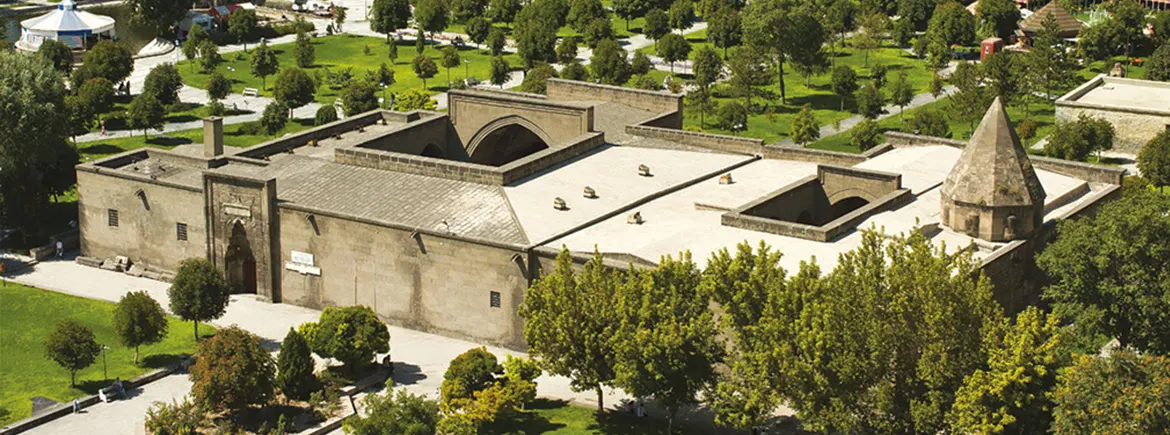
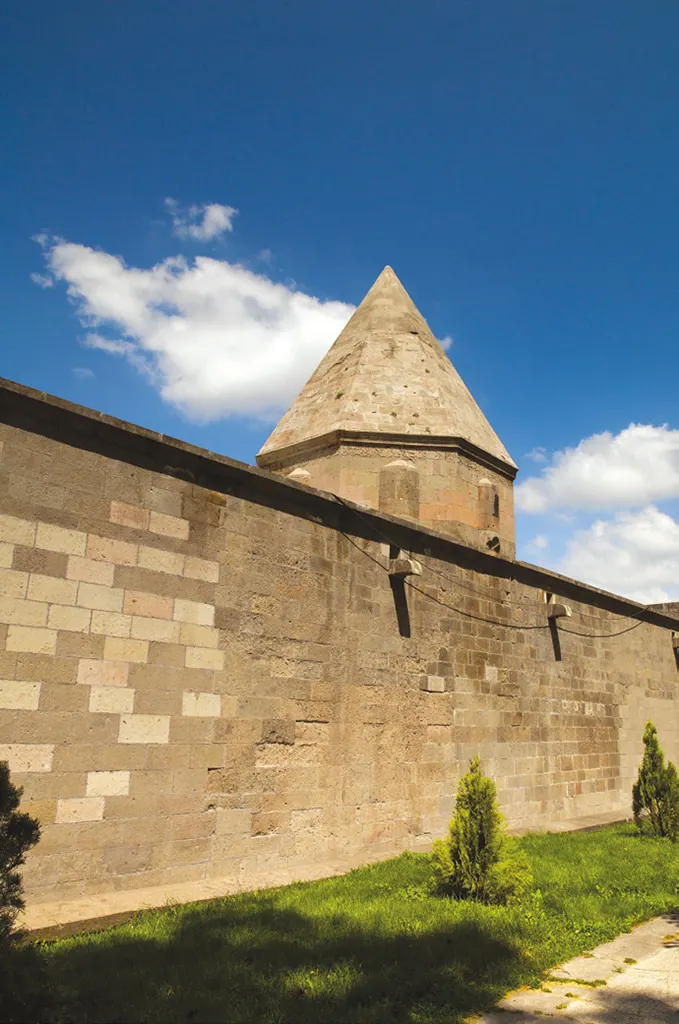
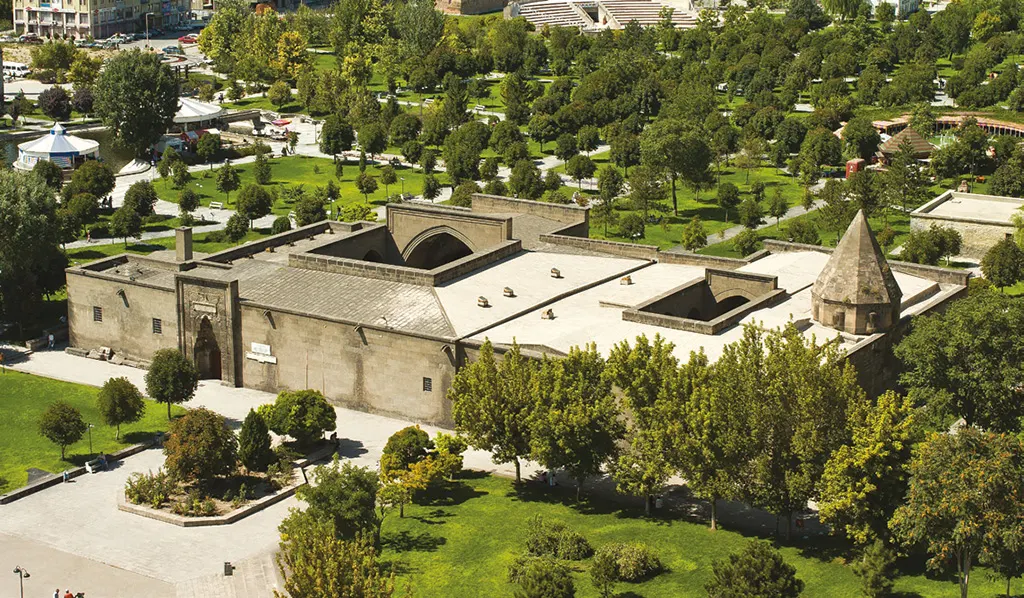
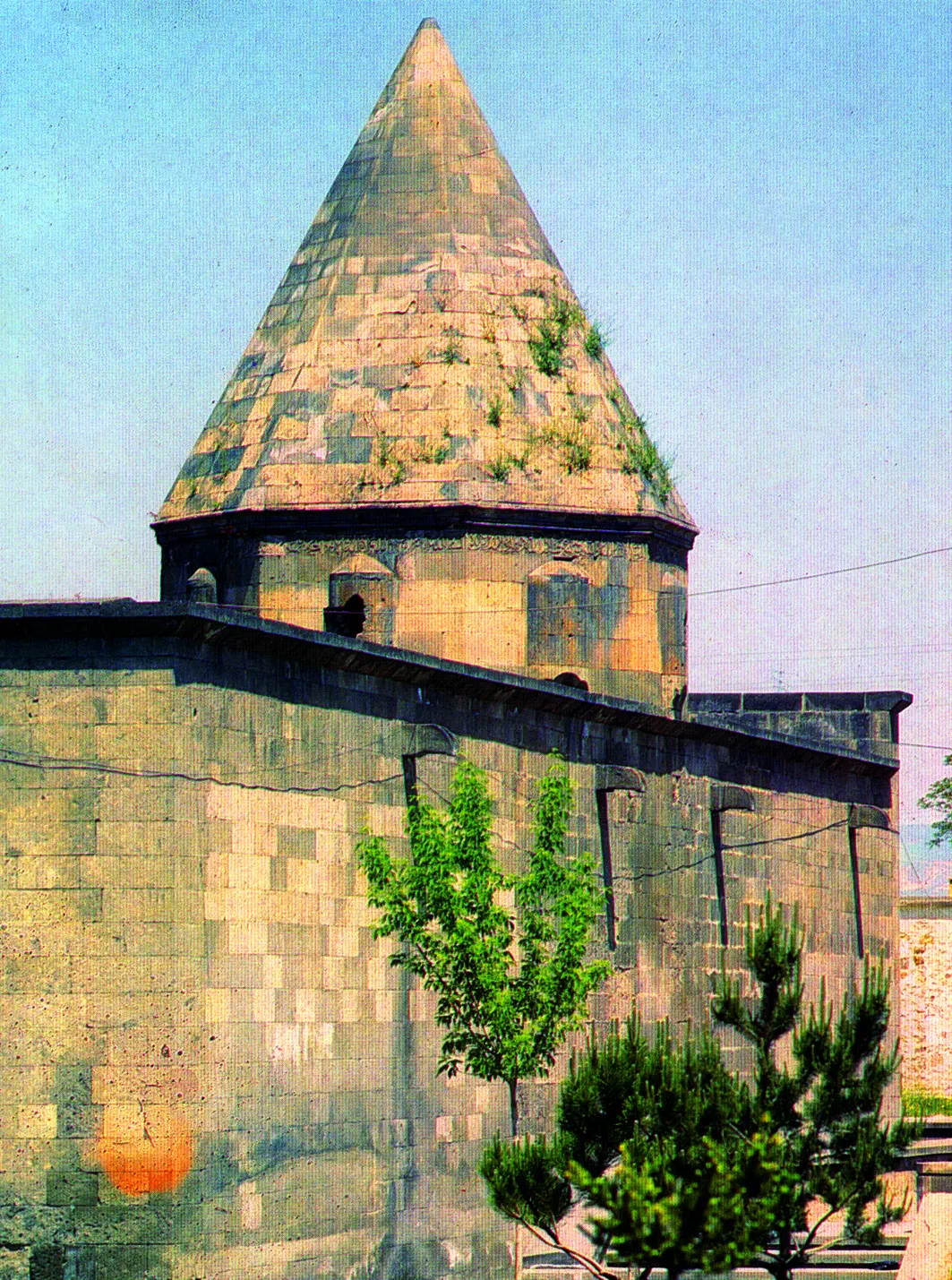
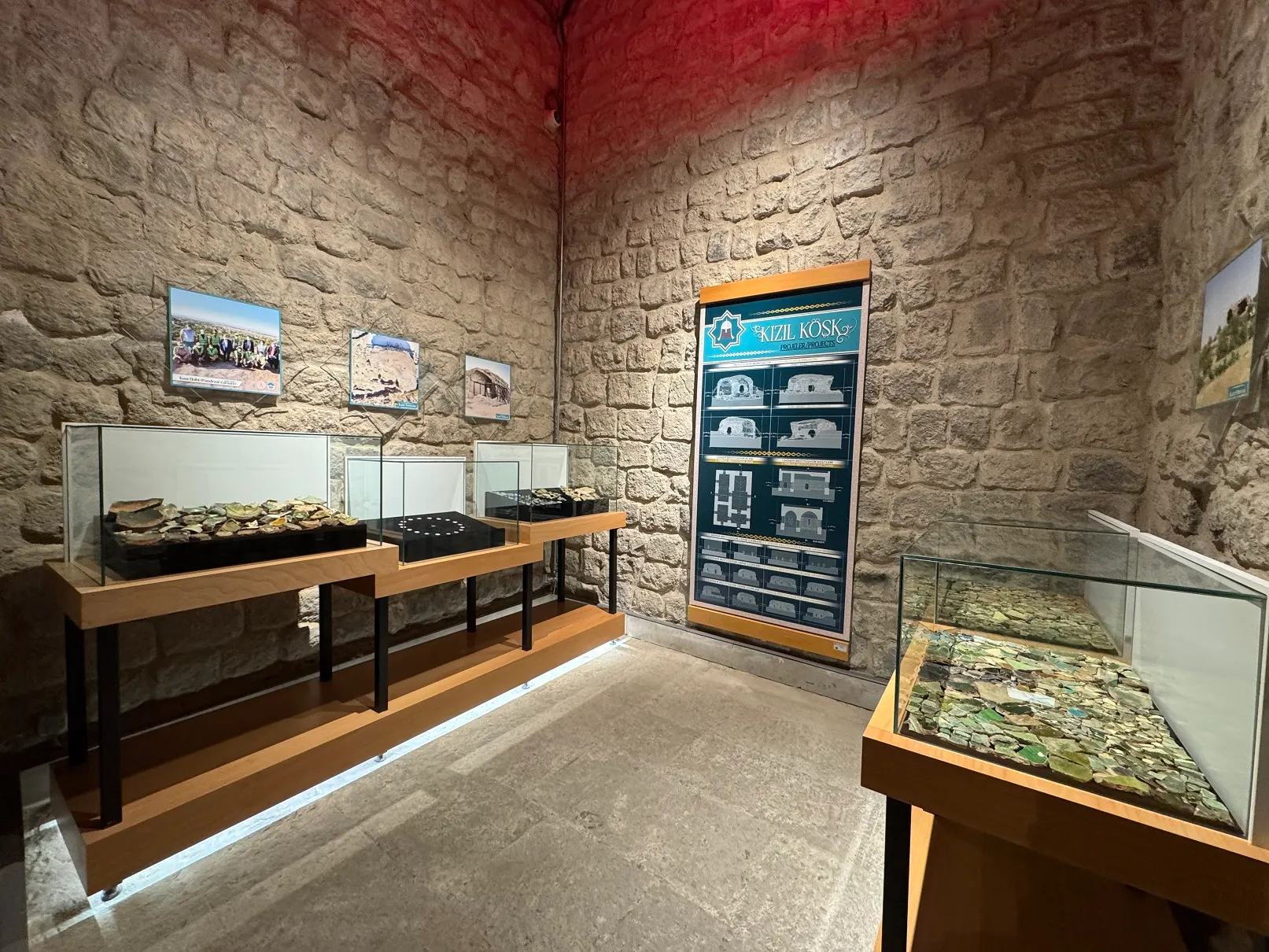
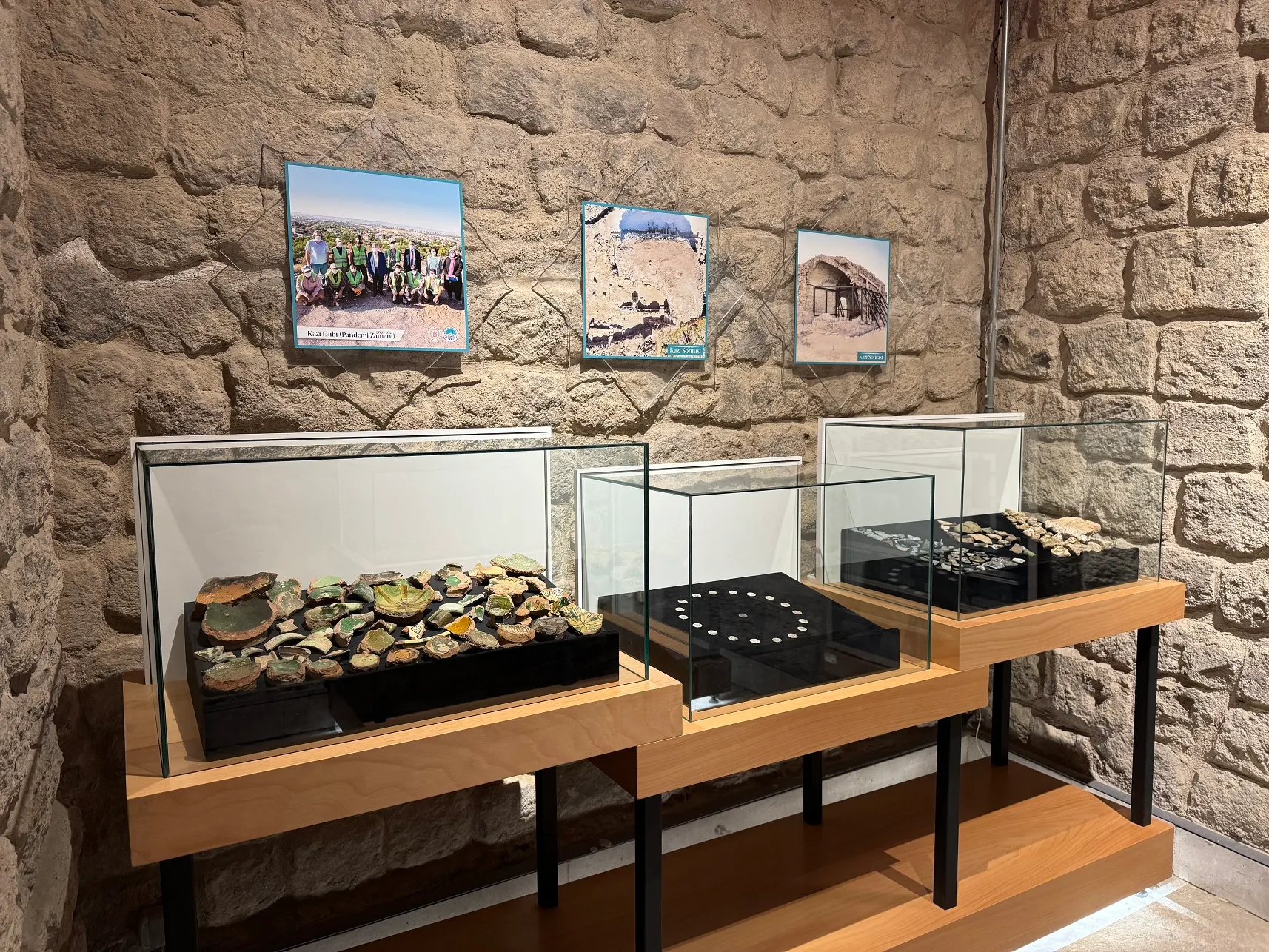
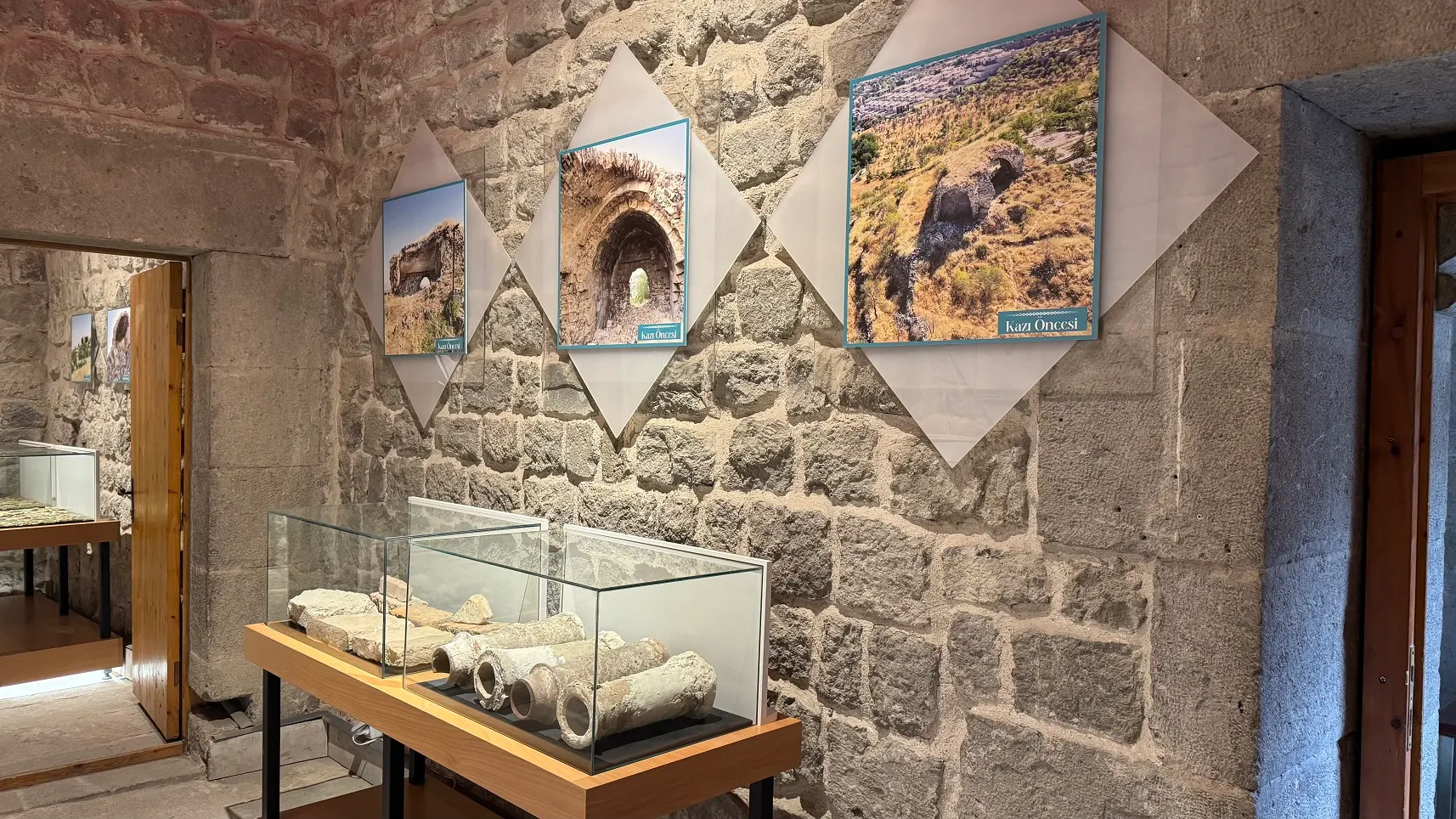
The Gevher Nesibe Hospital (Çifte Medrese) was built between 1204 and 1206 by the Seljuk Sultan Gıyaseddin Keyhüsrev I at the bequest of his sister Gevher Nesibe. It consists of two adjoining buildings: a hospital where patients were treated and a madrasa where medicine was taught — it is regarded as Anatolia's first school of practical medicine. Today it serves as the Seljuk Civilisation Museum.
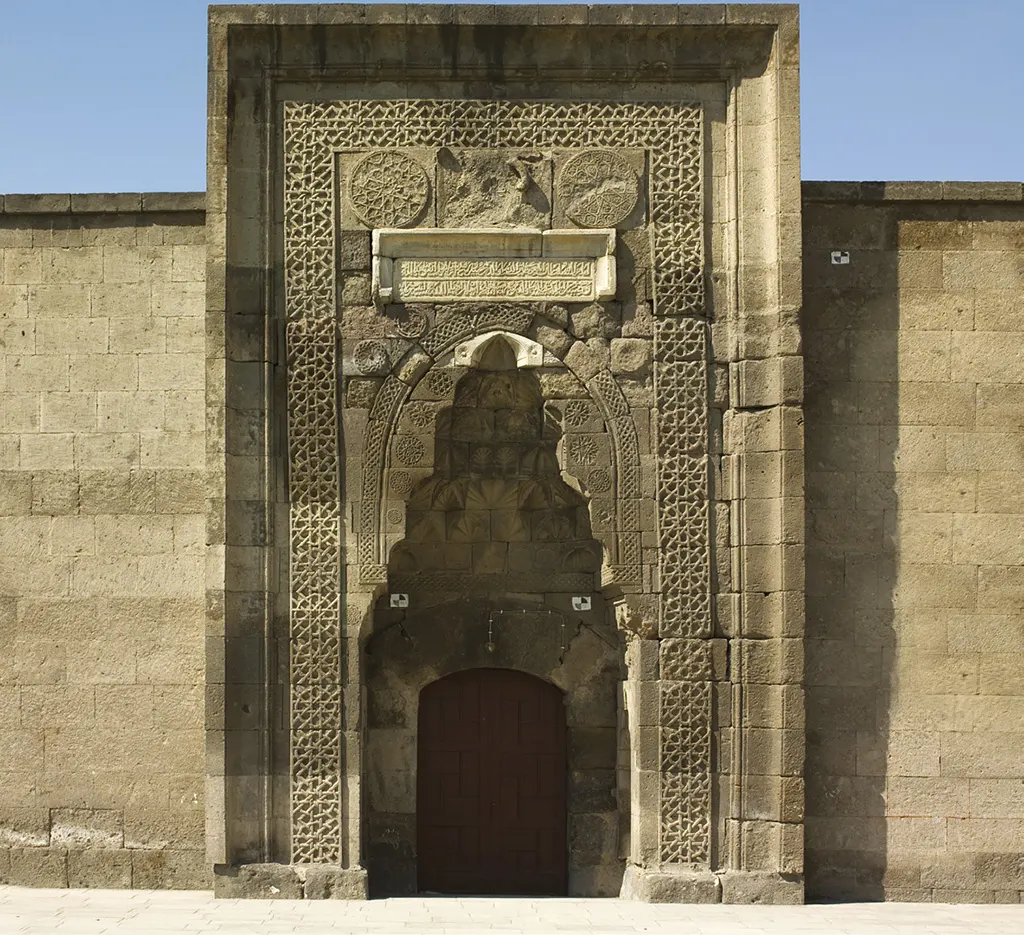
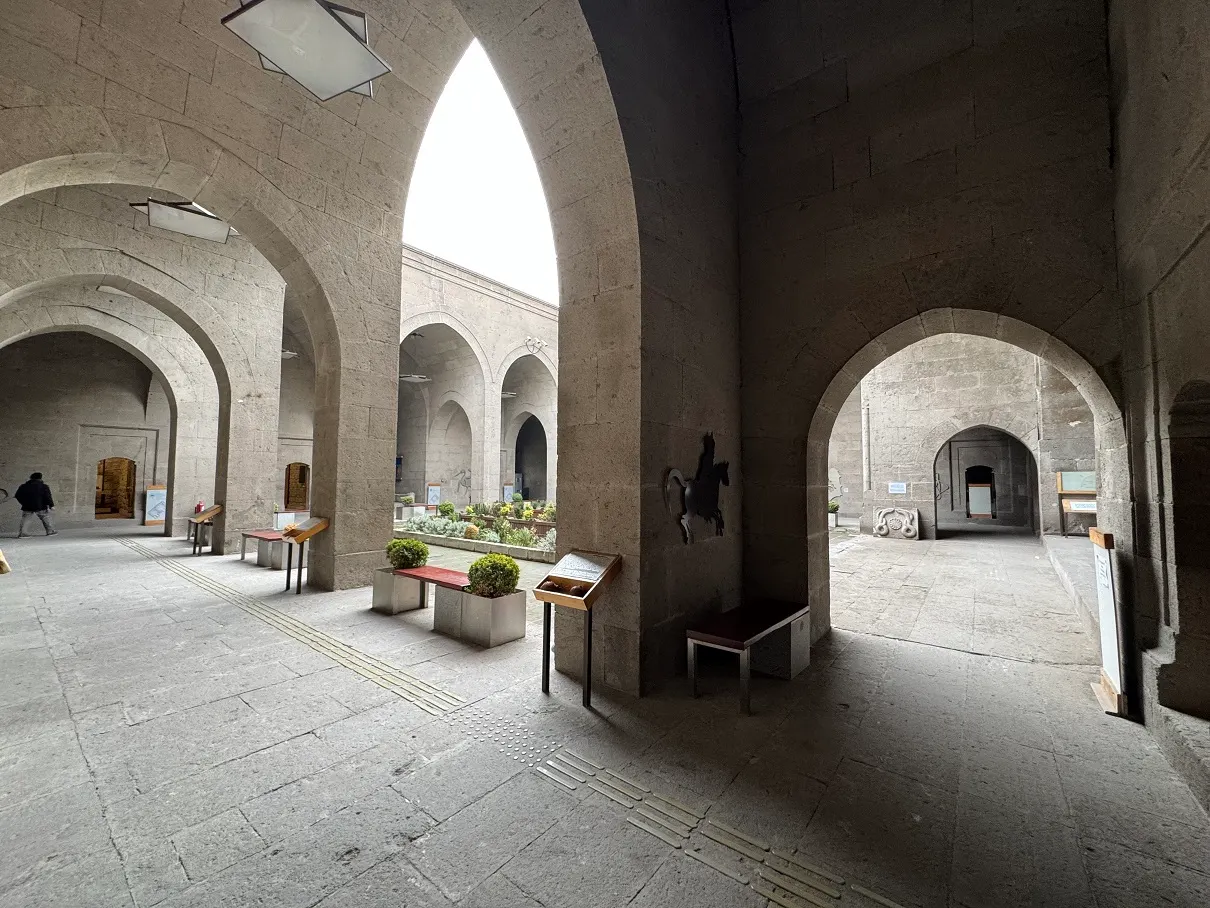
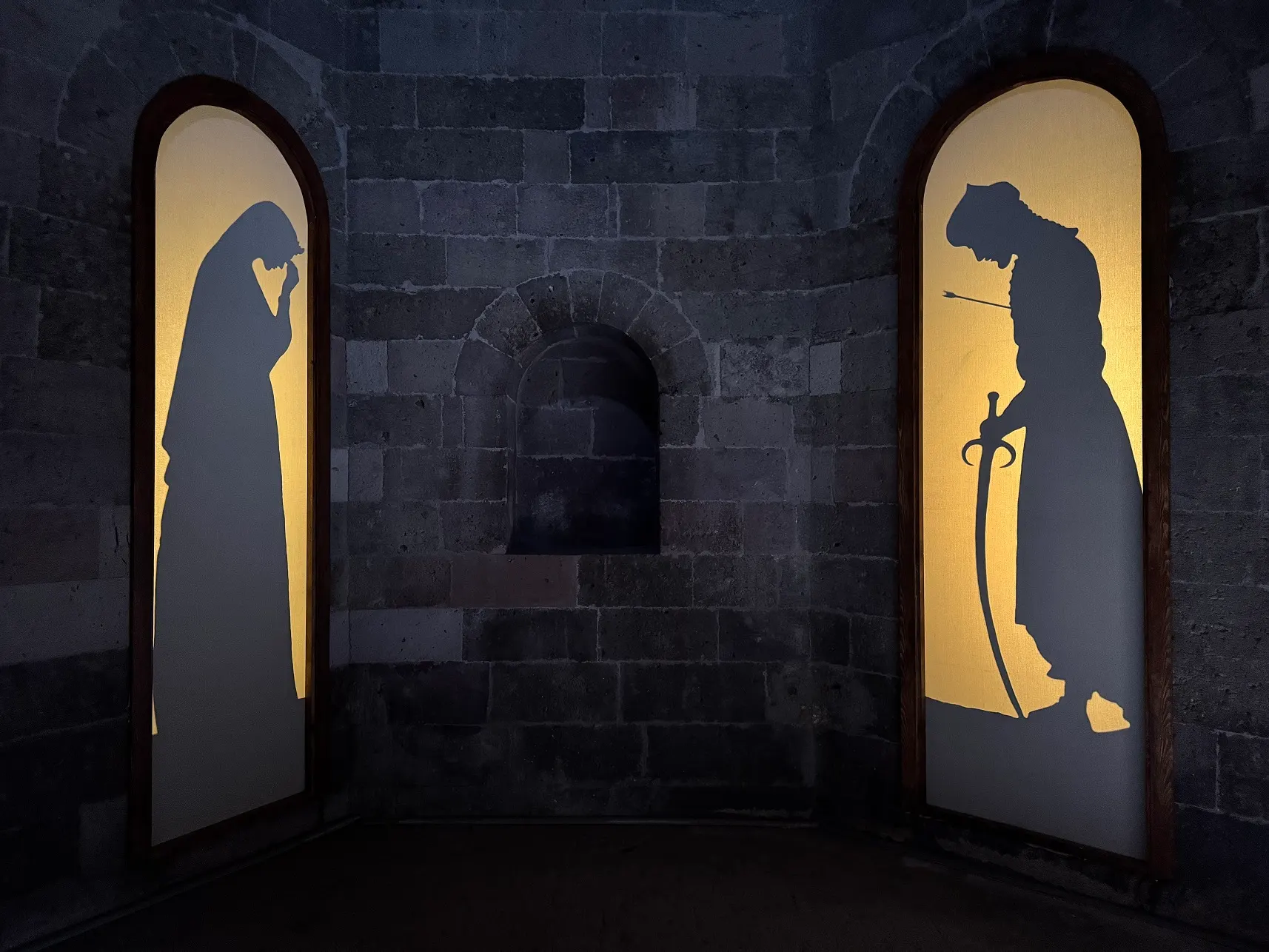
Anatolia's position on international trade routes not only fostered the growth of commerce but also meant that travellers brought various troubles, such as disease, with them. In the 12th century, with the intensity of trade and travel from west to east and with armies acting as carriers, the devastation caused by contagious diseases reached terrifying proportions. Epidemics, above all the plague, which the people of Anatolia called the “black death”, increased the need for health institutions. The great famine that struck Konya in 1221, Malatya in 1224, and Syria and Anatolia in 1259, followed by the sieges of the Mongol army and the natural disaster in Mardin and Meyyafarikin (Silvan), caused great destruction. The Anatolian Seljuks used the terms “Maristan, Bimaristan, Darü'l-Sıhha, Darü'l-Merza, Darü'l-Afiye” or, in the most common usage, “Darü'ş-Şifa” for their health institutions. Hospitals are examined in four categories: mobile hospitals, caravanserai hospitals, palace hospitals, and those of a general-hospital character founded for public health and medical education. The hospitals within the Nizamiye Madrasas built by Nizam al-Mulk in Nishapur and Baghdad, together with the Gevher Nesibe Darü'ş-Şifa and Madrasa in Kayseri, belong to the group of bimaristans (hospitals) of a general-hospital character founded for public health and medical education. The first campus-university-type structure in Kayseri, very similar in method to present-day education and training, is the Çifte Medrese (Double Madrasa), which Sultan Gıyaseddin Keyhüsrev I had built in the name of his sister (probably his twin sister) Gevher Nesibe Sultan, and it is a first in Anatolia. In this educational complex, built on a madrasa plan with four iwans*, a courtyard and porticoes** around the courtyard, patients were cared for on the one hand while physicians were trained on the other. From the information in the inscription, it is understood that the Darü'ş-Şifa was built at the bequest of Gevher Nesibe Sultan, daughter of Sultan Kılıçarslan II, during the second reign of her elder brother Gıyaseddin Keyhüsrev I (1205–1211 AD). The madrasa, mentioned in the tahrir register of 1530, consists of two madrasas, the “Gıyasiye and Şifaiye”. Turhan Baytop regards these health institutions as fully fledged hospitals with solid buildings and an adequate staff of physicians, pharmacists and health technicians. The Şifaiye also contains a bimarhane (mental hospital). According to legend, Gevher Nesibe Sultan*** fell in love with a commander from outside the palace. Her elder brother or twin, Gıyaseddin Keyhüsrev I, did not approve of this relationship, since it would not conform to Seljuk custom and state tradition, and opposed it. He sent the commander the princess loved off to war, and the commander fell in battle. The commander's death grieved the princess deeply, and from sorrow she fell ill with tuberculosis. While his sister lay on her sickbed, Sultan Gıyaseddin Keyhüsrev I apologised and asked whether she had any wish. Gevher Nesibe Sultan asked for a medical madrasa to be opened where those who, like her, had fallen into incurable illness could be treated, and declared that she was donating all the property that would pass to her from her father Kılıçarslan II to this foundation, and her jewellery to the daughters of marriageable age of the craftsmen who would work on the construction of the Darü'ş-Şifa. Taking his sister's wish as her last will, he had the earliest hospital founded in Anatolia built in her name, called Şifaiye and Gıyasiye and popularly known as the Çifte Medrese. Gevher Nesibe Hatun died before reaching the age of 39, and to fulfil his sister's wish Gıyaseddin Keyhüsrev I had the building completed in a period of about two years and opened it for service. While medical education was given in the Gıyasiye Madrasa, the hospital known as the Şifahane became the teaching hospital of medical science. Among the people it has been known by names such as the Çifte or İkiz Medreseler (Double or Twin Madrasas), the Kayseri Darü'ş-Şifa, the Şifa Hatun Madrasa, the Nesibe Hospital and the Darü'ş-Şifa Madrasa. The Hospital and Medical Madrasa are of a single-storey plan type with open courtyards and four iwans, the courtyards surrounded by porticoes on all four sides. In this example, the darüşşifa and the madrasa, each with its own courtyard, porticoes, iwans and other units, are connected to each other from the inside by a corridor on the north side of their courtyards. On the west side of the Darü'ş-Şifa, as in today's hospitals, there are nine rooms/patient rooms of equal size with a nearly square rectangular plan, arranged around a corridor. This section is thought to have been used as the mental health unit. Of the two adjoining buildings of identical plan, the darüşşifa was made larger and thus emphasised. It is known that the hospital's original staff consisted of 2 physicians, one of them the chief physician, 1 surgeon, 1 eye doctor, 1 pharmacist and 1 administrator, and that in the years when the hospital was built, the physician Ebubekir of Konya served in Kayseri as chief physician. The information that Ekmelüddin Müeyyet, who was chief physician in Konya at the time, and the physician Ebubekir, who worked in Kayseri, were in contact with each other shows that the health institution was administered from Konya. There is an inscription in the middle of the hospital's portal, and the lion motif on the inner right side of the portal bearing this inscription must have been made in memory of Sultan Kılıçarslan II, the father of Gevher Nesibe and Gıyaseddin Keyhüsrev. A similar motif is found in the Sahabiye Madrasa near the Darü'ş-Şifa.
- Historic site
- Historical Places
- Location
- Kocasinan, Kayseri
- Time needed
- 1 hour
Opening hours
Open today · 09:00 – 17:00
| Mon | Closed |
| Tue | 09:00 – 17:00 |
| Wed | 09:00 – 17:00 |
| Thu | 09:00 – 17:00 |
| Fri | 09:00 – 17:00 |
| Sat | 09:00 – 17:00 |
| Sun | 09:00 – 17:00 |
Closed on Mondays. From June to September closing time is extended to 19:00. Closed on the first day of religious holidays. It is a good idea to call 0352 221 11 50 before visiting to check the hours and tickets.
Gallery
Visitor Reviews
No reviews for this place yet. Be the first to write one.
Frequently asked questions
What is the Gevher Nesibe Hospital used for today?
It has been open to visitors as the Seljuk Civilisation Museum since 2014. The museum is run by Kayseri Metropolitan Municipality.
Is the Müzekart accepted?
No. Because the museum belongs to the Metropolitan Municipality rather than the Ministry of Culture and Tourism, the Müzekart is not accepted; admission is charged. Free for children aged 0–7 and visitors over 65.
Which days is it open?
Closed on Mondays; open 09:00–17:00 on the other days. From June to September closing time is extended to 19:00.
Why is it important?
It is regarded as Anatolia's first school of practical medicine; patients were treated with water and music therapy. It is one of the components of the 'Anatolian Seljuk Madrasahs' nomination on the UNESCO World Heritage Tentative List.
Updated: Sources: Seljuk Civilisation Museum — official website · UNESCO Tentative List — Anatolian Seljuks Madrasahs
Location
Nearby Places
See all → Kadir Has City and Mimar Sinan Museum 1.2 km
 Fair Culture Park 1.8 km
 imamoglu Pasa Hotel 2.7 km
 Novotel Hotel 2.9 km
Hungry? Nearby places to eat
Food and coffee within walking distance
 Elmacıoğlu İskender 4.4 km
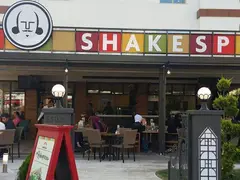 Shakespeare Coffee 4.7 km
 Kemal Koçak 5.3 km
Routes that include this place
You might also like
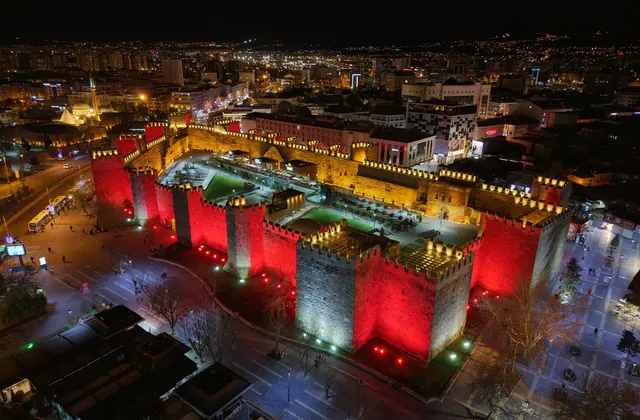
Kayseri Castle
Melikgazi, Kayseri
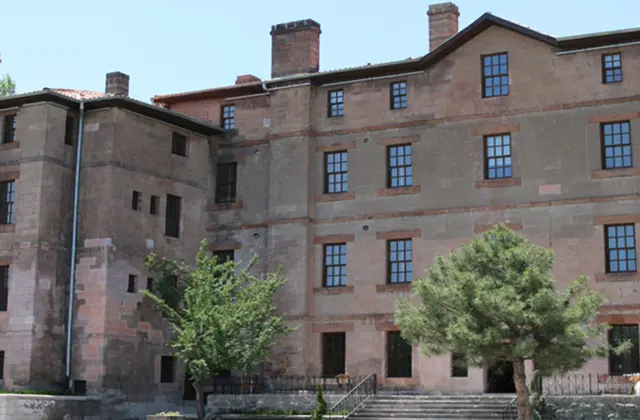
Talas American College
Kayseri
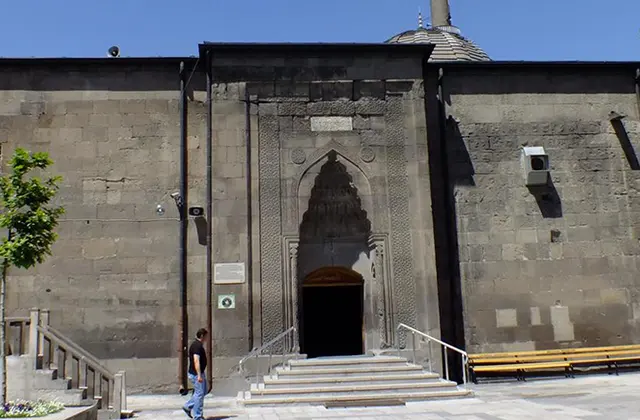
Hunat Hatun Complex
Melikgazi, Kayseri
Ağırnas Underground City
Melikgazi, Kayseri