
Hidden paradise of Kayseri,Koramaz Valley
4 min read
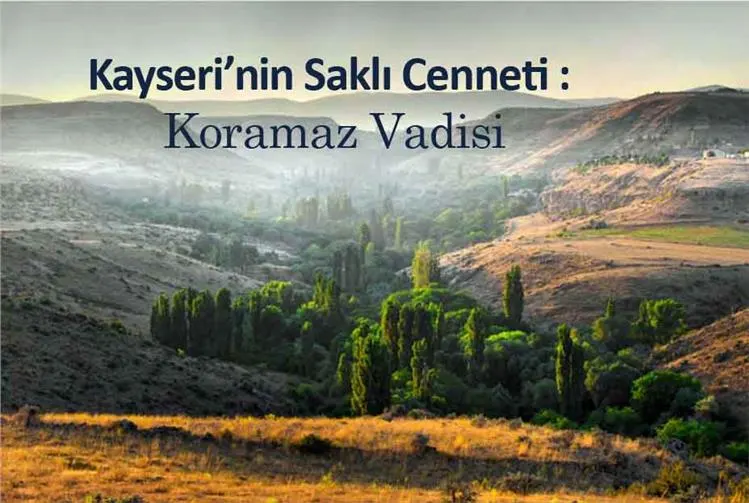
Koramaz Valley, which is located about 12 kilometers from the city center and is home to many values such as KültepeKaniş / Karum Mound, giraffe fossil bed, oxcart roads and bird paradise Engir Lake, is included in the United Nations Educational, Scientific and Cultural Organization (UNESCO) World Heritage List.
Located within the borders of Kayseri Province, Koramaz Valley extends for 12 km in the east-west direction. The soft rocks that make up the whole region have eroded and formed the valleys. The use of the places that have been carved into the rocks by the people living in the region for thousands of years as graves, dwellings, warehouses and places of worship continue today.
There are also ancient settlements in the valley. Among these are hundreds of pigeons, columbariums (mass graves where ashes from cremated bodies are stored in the Roman period), monumental tombs, tumuli, underground defense structures, living areas, places of worship (ancient temples and churches), pens, and watchpoints.
It is possible to find the traces of many civilizations in the region. For example, a cave that was originally used for shelter was detailed in the Roman period and processed as a rock tomb. With the liberation of Christianity, these caves were reshaped as churches in late Rome or early Byzantium. With the Seljuk and Ottoman rule, some of the churches continued to be used as religious buildings, which makes the valley very valuable. The transformation of some columbariums in the region into pigeon houses and the widespread pigeon house culture is also a characteristic of this valley. When the rock-carved structures built by different civilizations for hundreds of years are examined, it is seen that each one has separate engineering calculations. Because of these features, "Koramaz Valley" (v) has been included in the World Heritage Temporary List within the scope of the criteria.
Kayseri Metropolitan Municipality Mayor Memduh Büyükkılıç stated that they are working to make Koramaz Valley a tourism city in all aspects and that this place is one of Kayseri's most important riches. Mayor Büyükkılıç emphasized that the Koramaz Valley, which includes BüyükBürüngüz, Subaşı, KüçükBürüngüz, Ağırnas, Turan, Vekse and Bağpınar, is one of the rare regions of the world. He said that the valley has a great richness with its midstream, green cover, rock-cut churches, ancient settlements, examples of civil architecture from the Ottoman and Republic periods. Büyükkılıç has been in the valley until now 14 birds, 26 fountains, 18 fresh water springs, 6 bridges, 6 mills, 9 mosques, more than 100 civil architectural structures, more than 40 rock-carved churches, 7 settlements, 21 underground cities, He stated that 21 columbarium graves and 6 tumuli were traced and these numbers will increase as a result of the studies.
Where is it?
Koramaz Valley is located 20 km north-east of Kayseri city center. The valley can be reached from the following villages.
• Bağpınar
• Vekse
• Turan
• Ağırnas
• KüçükBürüngüz
• Subaşı
• BüyükBürüngüz
Important Figures Raised in the Valley
MimarSinan (1490-1588) – Ağırnas
MimarSinan was born in Ağırnas and lived here until his 20s. Ağırnas is located in the very center of Koramaz Valley. In this case, it would be a correct statement if it is said that Sinan was born and raised in Koramaz Valley. Sinan mounted a horse, examined the carved rock caves, the Roman or Byzantine rock tombs in the Koramaz valley. The rock structure of the region gave Sinan the love of making stone work. Sinan grew up in Koramaz Valley, drank from its waters, and was inspired by itsoutline.
YunusBekir (1868-1931) – Dimitre (Turan)
YunusBekir was born in 1868, in Dimitre as it was then called.
He was a painter and an artist. He became a member of the Committee of Union and Progress and lived in exile in Switzerland for many years. After a long break, he returned to his village and performed various services with Governor Muammer. In 1910, he published the first Turkish newspaper called Erciyes in Kayseri. With the petition he wrote, he changed the name of the village from Dimitre to Turan in 1916. Mehmet RasitEfendi
In 1787, he was a statesman who served as the “reisülküttap-Chief of Clerks” of the Ottoman Empire, that is, minister of foreign affairs. Mehmet RaşitEfendi was originally born in the village of Isbıdın (today's name Bağpınar) in the Koramaz Valley in 1753. RaşitEfendi had his library built in his hometown, Kayseri, in 1796.
MüftüMesutEfendi (1818-1881) – Ağırnas
Behçet Kemal Çağlar -BüyükBürüngüz
Ali RızaÖnder (1918-1994) – Dimitre (Turan) – A Member of National Supreme Court
Places in this article
Pages for the places mentioned in this article
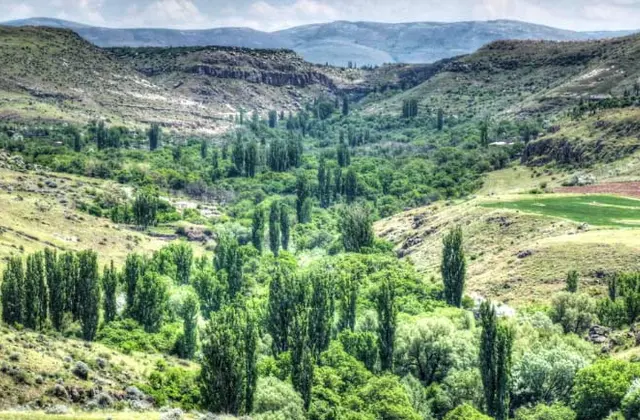
Koramaz Valley
Melikgazi, Kayseri
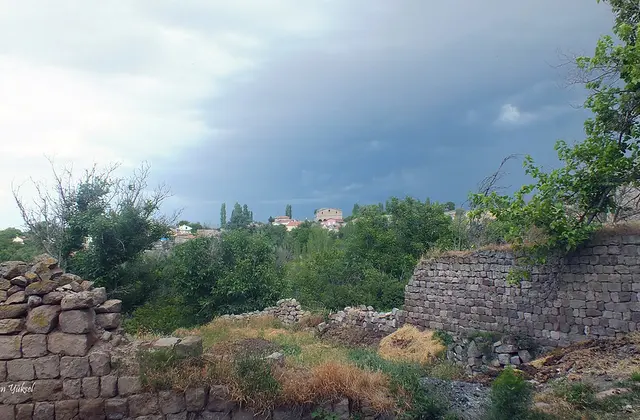
Ağırnas
Kayseri